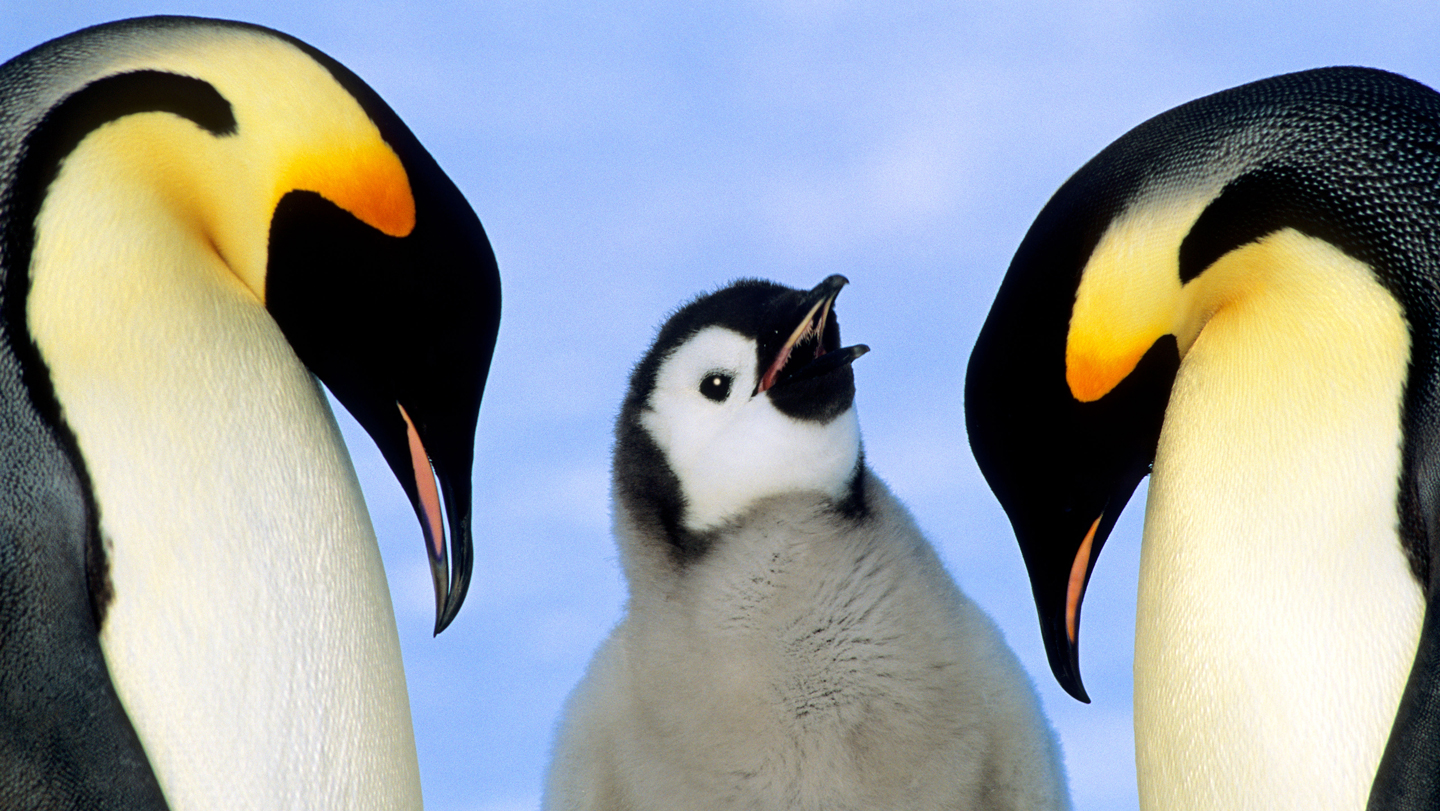
Emperor penguins are marching toward extinction. Antarctica fur seals too Skip to content Subscribe today Every print subscription comes with full digital access Subscribe Now Menu All Topics Health Humans Anthropology Health & Medicine Archaeology Psychology View All Life Animals Plants Ecosystems Paleontology Neuroscience Genetics Microbes View All Earth Agriculture Climate Oceans Environment View All Physics Materials Science Quantum Physics Particle Physics View All Space Astronomy Planetary Science Cosmology View All Magazine Menu All Stories Multimedia Reviews Puzzles Collections Educator Portal Century of Science Unsung characters Coronavirus Outbreak Newsletters Investors Lab About SN Explores Our Store SIGN IN Donate Home INDEPENDENT JOURNALISM SINCE 1921 SIGN IN Search Open search Close search Home INDEPENDENT JOURNALISM SINCE 1921 All Topics Earth Agriculture Climate Oceans Environment Humans Anthropology Health & Medicine Archaeology Psychology Life Animals Plants Ecosystems Paleontology Neuroscience Genetics Microbes Physics Materials Science Quantum Physics Particle Physics Space Astronomy Planetary Science Cosmology Tech Computing Artificial Intelligence Chemistry Math Science & Society All Topics Health Humans Humans Anthropology Health & Medicine Archaeology Psychology Recent posts in Humans Science & Society Snippets of hair may expose chronic stress in war refugees By Sujata GuptaApril 6, 2026 Health & Medicine When our minds wander to the body, it may affect mental health By Diana KwonApril 3, 2026 Health & Medicine Supreme Court ruling on ‘conversion therapy’ puts medical talk in the hot seat By Aimee CunninghamApril 3, 2026 Life Life Animals Plants Ecosystems Paleontology Neuroscience Genetics Microbes Recent posts in Life Animals For gray whales, San Francisco Bay is becoming a deadly pit stop By Gennaro Tomma2 hours ago Neuroscience Seeing and imagining activate some of the same brain cells By Diana KwonApril 9, 2026 Paleontology Mummified reptile hints at the origins of how we breathe By Carolyn GramlingApril 8, 2026 Earth Earth Agriculture Climate Oceans Environment Recent posts in Earth Animals For gray whales, San Francisco Bay is becoming a deadly pit stop By Gennaro Tomma2 hours ago Climate Emperor penguins are marching toward extinction. Antarctica fur seals too By Carolyn GramlingApril 9, 2026 Environment Hawaii is turning ocean plastic into roads to fight pollution By Sara NovakApril 8, 2026 Physics Physics Materials Science Quantum Physics Particle Physics Recent posts in Physics Cosmology Exploding black holes could explain an antimatter mystery By Emily ConoverApril 10, 2026 Quantum Physics Just 10,000 quantum bits might crack internet encryption schemes By Emily ConoverApril 1, 2026 Quantum Physics Quantum physics can confirm where someone is located By Emily ConoverMarch 30, 2026 Space Space Astronomy Planetary Science Cosmology Recent posts in Space Space Artemis II ends its historic lunar journey By Lisa GrossmanApril 10, 2026 Cosmology Exploding black holes could explain an antimatter mystery By Emily ConoverApril 10, 2026 Space Even before splashdown, Artemis II is delivering a scientific treasure trove By Lisa GrossmanApril 8, 2026 News Climate Emperor penguins are marching toward extinction. Antarctica fur seals too The species are now “Endangered,” pushed to the brink by climate change in Antarctica A scene like this of two adult emperor penguins with a chick may become rare; the iconic Antarctic birds are now listed as “Endangered,” a leading conservation group announced April 9. Wayne Lynch/All Canada Photos/Alamy By Carolyn Gramling April 9, 2026 at 1:06 pm Share this:Share Share via email (Opens in new window) Email Share on Facebook (Opens in new window) Facebook Share on Reddit (Opens in new window) Reddit Share on X (Opens in new window) X Print (Opens in new window) Print Listen to this article This is a human-written story voiced by AI. Got feedback? Take our survey . (See our AI policy here .) Emperor penguins have braved cold, storms, starvation and predation to breed, ensuring their population survives. But climate change might defeat the iconic Antarctic birds. On April 9, the largest of all penguins (Aptenodytes forsteri) were officially moved from threatened to endangered status by the International Union for Conservation of Nature. The network of about 17,000 scientists and experts from over 160 countries maintains the IUCN Red List, a running tally of how threatened different species are in the wild. “Endangered” status means the birds are now considered to face “a very high risk of extinction in the wild.” It’s the breakup and loss of sea ice around Antarctica that is driving the birds toward the brink, scientists say. Over the last decade, Antarctica has seen record lows in the expanse of sea ice that fringes the continent, and the breakup of the ice is also occurring earlier in the year. That’s devastating for emperor penguins, which require “fast” ice — sea ice that is immobile for most of the year — to breed and raise their young. If the ice breaks apart too soon, it puts the chicks in grave danger of drowning or freezing to death, as the young birds don’t yet have waterproof feathers. A colony of Emperor penguins congregate on sea ice near the Brunt Ice Shelf in Antarctica. Climate change is reducing the ice extent and causing it to break up earlier, putting the birds’ chicks at risk.Stuart Holroyd/Alamy In 2022, satellites observed the catastrophic loss of five separate emperor penguin breeding colonies near the Bellingshausen Sea: The sea ice beneath them broke apart, leading to an estimated loss of some 10,000 chicks. Current emperor penguin populations are estimated at around 595,000 adults, a decrease of 10 percent to 22 percent relative to 2009. The current population number is expected to halve by 2080, IUCN says. “The emperor penguin’s move to Endangered is a stark warning: Climate change is accelerating the extinction crisis before our eyes,” Martin Harper, CEO of BirdLife International, said in a statement. The organization led the emperor penguin assessment. An Antarctic fur seal cares for her pup on South Georgia Island in Antarctica.Johnny Johnson/The Image Bank/Getty Images The loss of sea ice is also responsible for rapidly shunting the Antarctic fur seal (Arctocephalus gazella) several notches closer to extinction, the IUCN report says. In 1999, the animals were considered of “least concern” on the IUCN Red List, with the adult population of Antarctic fur seals at around 2,187,000. But by 2025, that population had plunged to 944,000, a dramatic drop that has earned the seals endangered status. Climate change is also the culprit in the seals’ decline: Rising ocean temperatures and shrinking sea ice are pushing their primary food source, tiny crustaceans called krill, to deeper ocean depths. As a resu
Emperor penguins are marching toward extinction. Antarctica fur seals too